
Is Your Usual Grocery Shop Getting More Expensive? Track the Same Five Items
Build a simple five-item grocery basket so you can compare what the same shop costs across two visits.
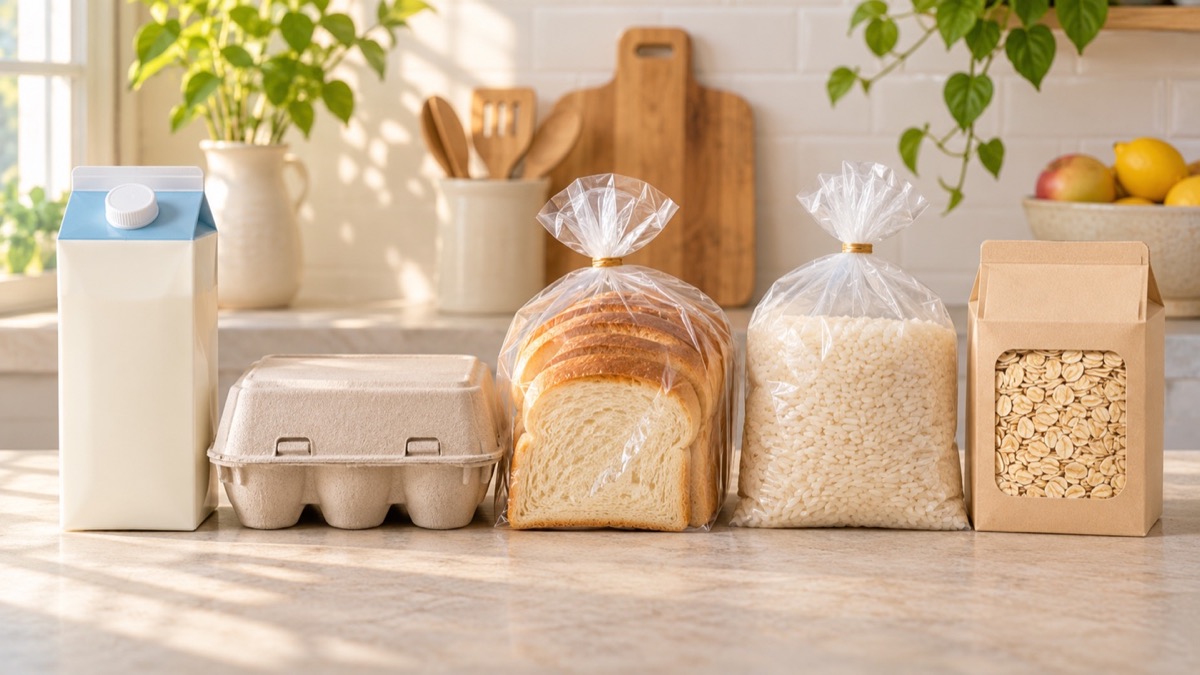
You can check whether your usual shop is getting dearer without tracking everything you buy. Pick five things you buy repeatedly and compare what the same quantities cost on two visits. Start with a small basket you can keep consistent.
Pick five items you can find again
Choose the brands and sizes you actually buy. Record the store and the date. A useful starting basket might be a litre of milk, six eggs, a loaf of bread, a kilo of rice and a 500 g bag of oats. If a pack changes size, note the change and compare the price per unit separately.
Here’s a worked example using made-up prices.
| Item | First visit | Later visit |
|---|---|---|
| Milk, 1 L | ₱95 | ₱99 |
| Eggs, 6 | ₱66 | ₱72 |
| Bread, 1 loaf | ₱78 | ₱78 |
| Rice, 1 kg | ₱60 | ₱63 |
| Oats, 500 g | ₱100 | ₱98 |
| Total | ₱399 | ₱410 |
The basket rose ₱11, or about 2.8%. To calculate that, divide ₱11 by the first total, ₱399, and multiply by 100. Oats got cheaper, but the changes in milk, eggs and rice outweighed that saving.
Keep the comparison usable
Record another visit on your next usual shop. If a product is missing, leave it blank and compare the items you have prices for on both dates. Keep notes on sales, since a one-off discount can make the next visit look more expensive than usual.
Use Grocery Cart AI to record the prices and review each item’s store-by-store history. The five-item basket is a simple check you can repeat with the same products whenever you want a direct comparison.
← All posts