
How to Compare Grocery Unit Prices
Compare different pack sizes using the same unit, then decide what fits your budget and how much you’ll use.
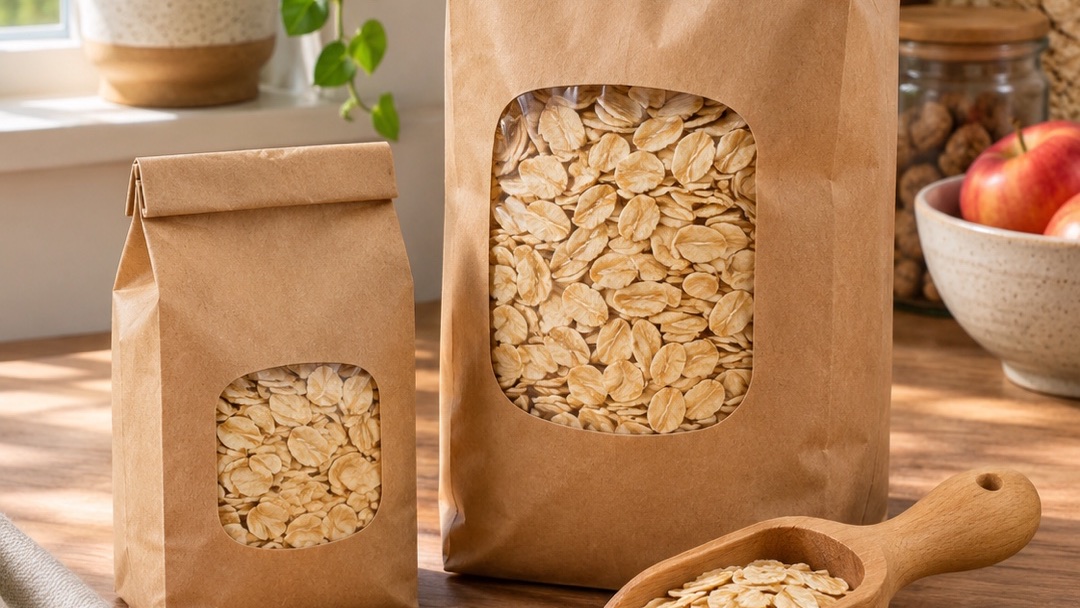
A bigger pack can cost less per gram and still be the wrong purchase for this trip. Look at two numbers on the shelf: the price you’ll pay at checkout and the price for the same amount of product.
Compare the same amount
Suppose a 500 g bag of oats costs ₱100 and a 1 kg bag costs ₱180. Divide each price by the number of 100 g portions in the pack. The small bag costs ₱20 per 100 g. The large bag costs ₱18 per 100 g. If the store prints unit prices, check that both labels use the same unit before comparing them.
| Pack | Checkout price | Price per 100 g |
|---|---|---|
| 500 g | ₱100 | ₱20 |
| 1 kg | ₱180 | ₱18 |
Decide whether the bigger pack fits
The bigger bag makes sense when you can use the extra oats and have another ₱80 in this week’s budget. If the smaller bag covers what you need or frees up room for another ingredient, buy the smaller pack. For perishables, consider how much you can use or freeze before it goes to waste.
Grocery Cart AI helps you track what the selected pack adds to your cart total.
← All posts